
News
Awori stake deepens in Lagos politics as Jim-Kamal demands open APC primary
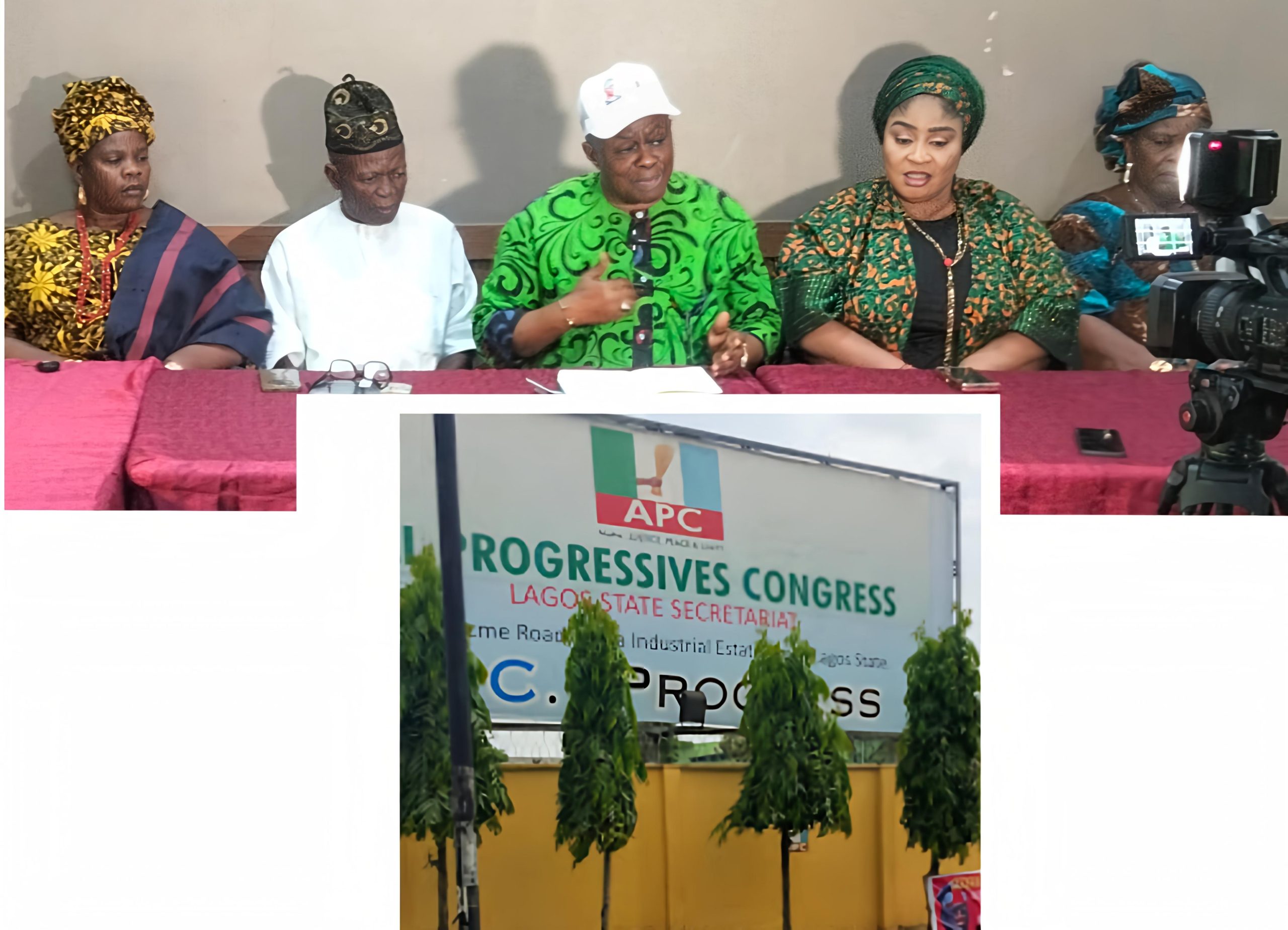
The APC aspirant’s comments come amid increasing political conversations around zoning, inclusion and indigenous representation within Lagos politics, especially among Awori communities who believe they have remained politically marginalised despite their historical roots in the state.
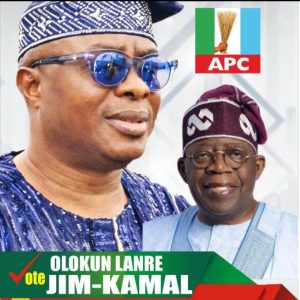 Observers say his remarks reflect deeper undercurrents within Lagos politics, where debates around indigenous representation, grassroots mobilisation and succession politics are gradually becoming more pronounced ahead of 2027.
The governorship hopeful also announced Abiola Okoya Thomas, daughter of businessman Razaq Okoya, as his running mate for the APC governorship race.




Ogun LG chairman hails Idiroko Customs football initiative, seeks professional pathway for border talents

Nigeria Customs, Benin, Cameroon advance one-stop border initiative after Zimbabwe Mission

Kogi mourns Rear Admiral Hamzat Sani, celebrates legacy of patriotism, statesmanship

-

 Crime2 years ago
Imo police confirm arrest of journalist, ‘Nonsonkwa’ over alleged Cyberstalking, Incitement
-
 Education5 months ago
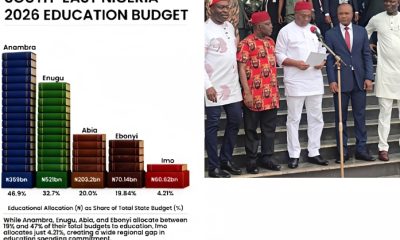
Anambra leads South-east in education allocation ratio, as Imo ranks lowest
-
 News6 years ago
Orthodox Anglican Church, not Same as Church of Nigeria- Bishop
-

 Business6 years ago
Pay-As-You-Go not applicable to pay TV – FCCPC
-

 Agriculture4 years ago
Environment Day: Foundation partners, FCMB, Chevron, harps on collective efforts on earth protection
-

 Crime3 years ago
Pastor allegedly kills female member, prevents 20 year old daughter from attending burial