
Celebrities
Apapa-Iganmu chairman marks milestone with fresh security, youth development drive
By Ezurike Ugochukwu
The Executive Chairman of Apapa-Iganmu Local Council Development Area (LCDA), Hon. Jimoh Olawale Saliu, has marked his first year in office with a renewed commitment to strengthening security, empowering young people and fostering grassroots development.
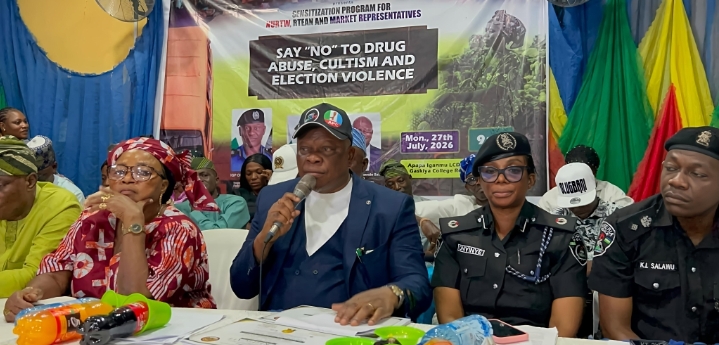
The chairman further unveiled his fresh drive aimed at tackling drug abuse, cultism and election-related violence across the council area.
 Speaking during a community sensitisation programme organised by the Lagos State Police Campaign Against Cultism and Other Vices (POCACOV) at the Apapa-Iganmu LCDA Secretariat, Saliu said his administration would continue to prioritise initiatives that promote peace, youth engagement and sustainable community development.

The chairman described security as the foundation of economic growth and social progress, stressing that no community can thrive where criminality, drug abuse and cult activities are allowed to flourish.
 Marking 365 days in office, Saliu expressed gratitude to Almighty Allah and appreciated residents for their confidence and support, noting that the achievements recorded by his administration were made possible through collective efforts.
He also commended political leaders, members of the legislative arm led by Hon. Abdullahi Adigun Arogundade and the council’s management team under the leadership of Council Manager, Mr. Badmus Lateef Omokayode, for their cooperation in advancing the council’s development agenda.
 Reaffirming his administration’s zero-tolerance policy on crime and social vices, Saliu said the council would continue investing in programmes that steer young people away from destructive behaviour and channel their energies into productive ventures.
“We are determined to build a community where our youths are inspired by opportunities rather than crime. Drug abuse, cultism and election violence have no place in Apapa-Iganmu. We will continue working with the Nigeria Police, community leaders and other stakeholders to ensure our communities remain peaceful, safe and conducive for development,” he said.
The council boss noted that beyond enforcement, sustained public enlightenment and youth empowerment remain critical to addressing the root causes of insecurity, adding that meaningful engagement would help reduce the attraction of criminal activities among young people.

Representing the Lagos State Commissioner of Police, CP Tijani Olaiwola Fatai, the Area B Commander, ACP Oyinye Onwuamegbu, called on community leaders to deepen awareness campaigns against drug abuse and cultism by taking the message to schools, markets, motor parks, churches, mosques and Community Development Associations.
She emphasised that effective policing thrives on strong partnerships between security agencies and the communities they serve, urging residents to volunteer credible information capable of preventing crime.

Also speaking, the Divisional Police Officers of Badia, Amukoko and Layeni divisions appealed to residents to promptly report criminal activities and avoid shielding offenders, warning that silence often emboldens criminals.
The Lagos State Coordinator of POCACOV, SP Olivia Ugochukwu, urged participants to become ambassadors of peace within their communities, leading them in a pledge to reject drug abuse, cultism, election violence and other forms of criminality while embracing responsible citizenship and respect for the rule of law.
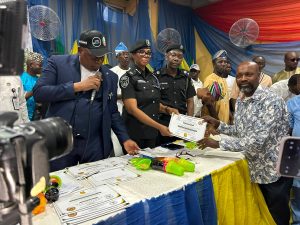
Certificates of participation were presented to stakeholders in recognition of their commitment to the campaign, themed “Say No to Drug Abuse, Cultism and Election Violence.”

The event attracted a broad cross-section of stakeholders, including the Vice Chairman of Apapa-Iganmu LCDA, Hon. Chief Mrs. Fadekemi Otitonaiye; former member of the House of Representatives, Hon. Adewale Babatunde Jimoh; councillors, traditional and community leaders, market associations, transport unions, youth groups, police officers and residents.
The sensitisation programme aligns with the Lagos State Government’s community policing strategy, which seeks to prevent crime through sustained public engagement, youth development and stronger collaboration between government, security agencies and local communities.
 The council restated that by combining security advocacy with youth-focused interventions, it hopes to create a safer environment that encourages investment, social cohesion and long-term grassroots development.










Seme–Krake: Nigeria, Benin Customs begin push for seamless border trade
AMJON Conference: NIMASA, Customs, NPA, NSML push innovation, digital skills for future-ready maritime sector

Customs: Discipline, character critical as 2025 recruitment screening enters final phase
-

 Crime2 years ago
Imo police confirm arrest of journalist, ‘Nonsonkwa’ over alleged Cyberstalking, Incitement
-

 Education7 months ago
Anambra leads South-east in education allocation ratio, as Imo ranks lowest
-

 News6 years ago
Orthodox Anglican Church, not Same as Church of Nigeria- Bishop
-

 Business6 years ago
Pay-As-You-Go not applicable to pay TV – FCCPC
-

 Agriculture4 years ago
Environment Day: Foundation partners, FCMB, Chevron, harps on collective efforts on earth protection
-

 Crime3 years ago
Pastor allegedly kills female member, prevents 20 year old daughter from attending burial