
Business
NIMASA, regional partners chart digital path for women in maritime sector
By Ezurike Ugochukwu
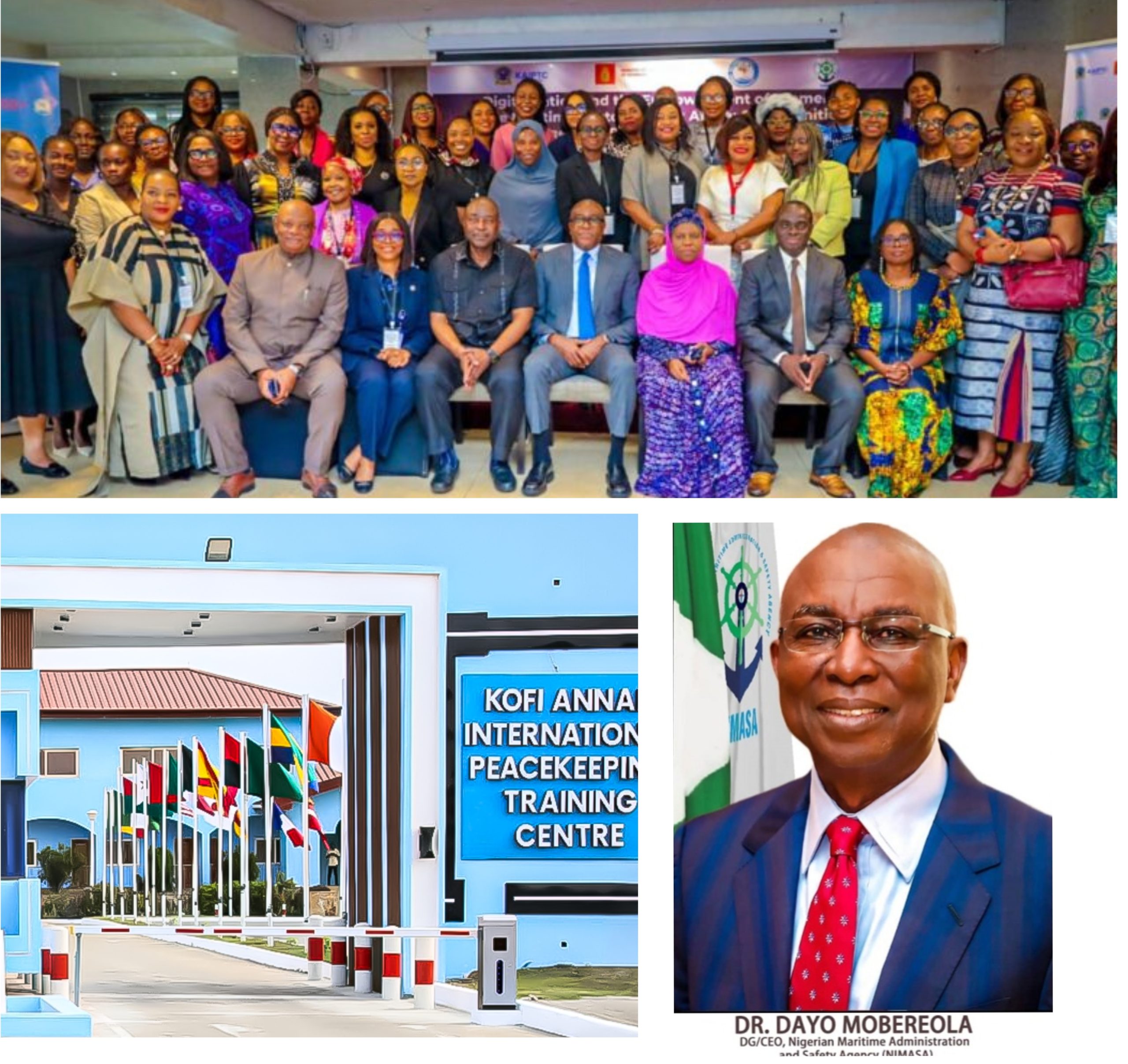
The Nigerian Maritime Administration and Safety Agency (NIMASA) and regional stakeholders have begun charting a digital pathway to boost women’s participation in the maritime sector, identifying technology and digital skills as critical tools for breaking long-standing barriers that limit female inclusion in the industry.
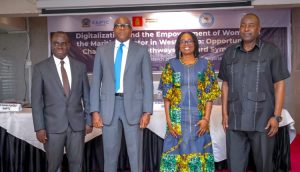
 The initiative formed the focus of a regional symposium in Lagos organised by NIMASA in collaboration with the Kofi Annan International Peacekeeping Training Centre (KAIPTC), where maritime experts, policymakers and development partners examined how digitalisation can open new opportunities for women in shipping, port operations, maritime governance and security across West Africa.
Represented by NIMASA’s Executive Director, Finance and Administration, Chudi Offodile, the Director-General noted that digitalisation has the capacity to significantly correct the imbalance of women’s underrepresentation in the maritime sector by opening new opportunities and removing long-standing structural barriers.

 “Digitalization acts as the great equalizer, shifting the industry’s centre of gravity from physical strength to intellectual agility and technical precision,” Mobereola said. “Through digital platforms and e-learning systems, a young woman in a rural West African town can access the same training modules as anyone in the more advanced parts of the world.”
He explained that the maritime industry is undergoing a profound transformation driven by automation, data systems, smart logistics and emerging digital technologies that are redefining ship operations, port management and regulatory frameworks across the globe.

According to him, Nigeria is committed to ensuring that the maritime sector evolves into a model of gender inclusivity and digital excellence within the region, stressing that empowering women through technology would strengthen the industry’s capacity and competitiveness.
In his remarks, the Deputy Commandant of KAIPTC, Zibrim Ayorrogo Bawah, emphasised the strategic importance of the Gulf of Guinea maritime domain and the need for greater female participation in shaping the region’s maritime future.
“Women’s participation in maritime affairs has historically been limited by socio-cultural and institutional barriers,” Bawah said, adding that greater inclusion would introduce diverse perspectives essential for effective maritime governance and security.
The symposium, supported by the Ministry of Foreign Affairs of Denmark and the Inter-Regional Coordination Centre for Maritime Safety and Security in the Gulf of Guinea (ICC), convened senior government officials, maritime professionals, academics, women’s advocacy groups and media representatives from across West Africa.
Participants are expected to deliberate on key issues including digital innovation in maritime governance, gender inclusion in maritime security operations, development of digital maritime skills for women, and policy frameworks that promote gender equality across the Gulf of Guinea region.
The engagement is also aimed at strengthening collaboration among regional and international stakeholders while advancing inclusive and sustainable maritime development in West Africa.














-

 Crime2 years ago
Imo police confirm arrest of journalist, ‘Nonsonkwa’ over alleged Cyberstalking, Incitement
-
 Education7 months ago
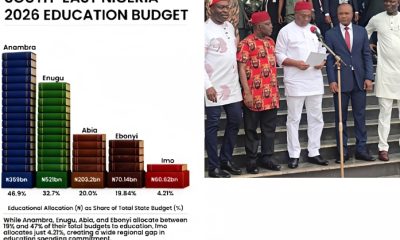
Anambra leads South-east in education allocation ratio, as Imo ranks lowest
-
 News7 years ago
Orthodox Anglican Church, not Same as Church of Nigeria- Bishop
-

 Business6 years ago
Pay-As-You-Go not applicable to pay TV – FCCPC
-

 Agriculture4 years ago
Environment Day: Foundation partners, FCMB, Chevron, harps on collective efforts on earth protection
-

 Crime3 years ago
Pastor allegedly kills female member, prevents 20 year old daughter from attending burial