By Ezurike Ugochukwu
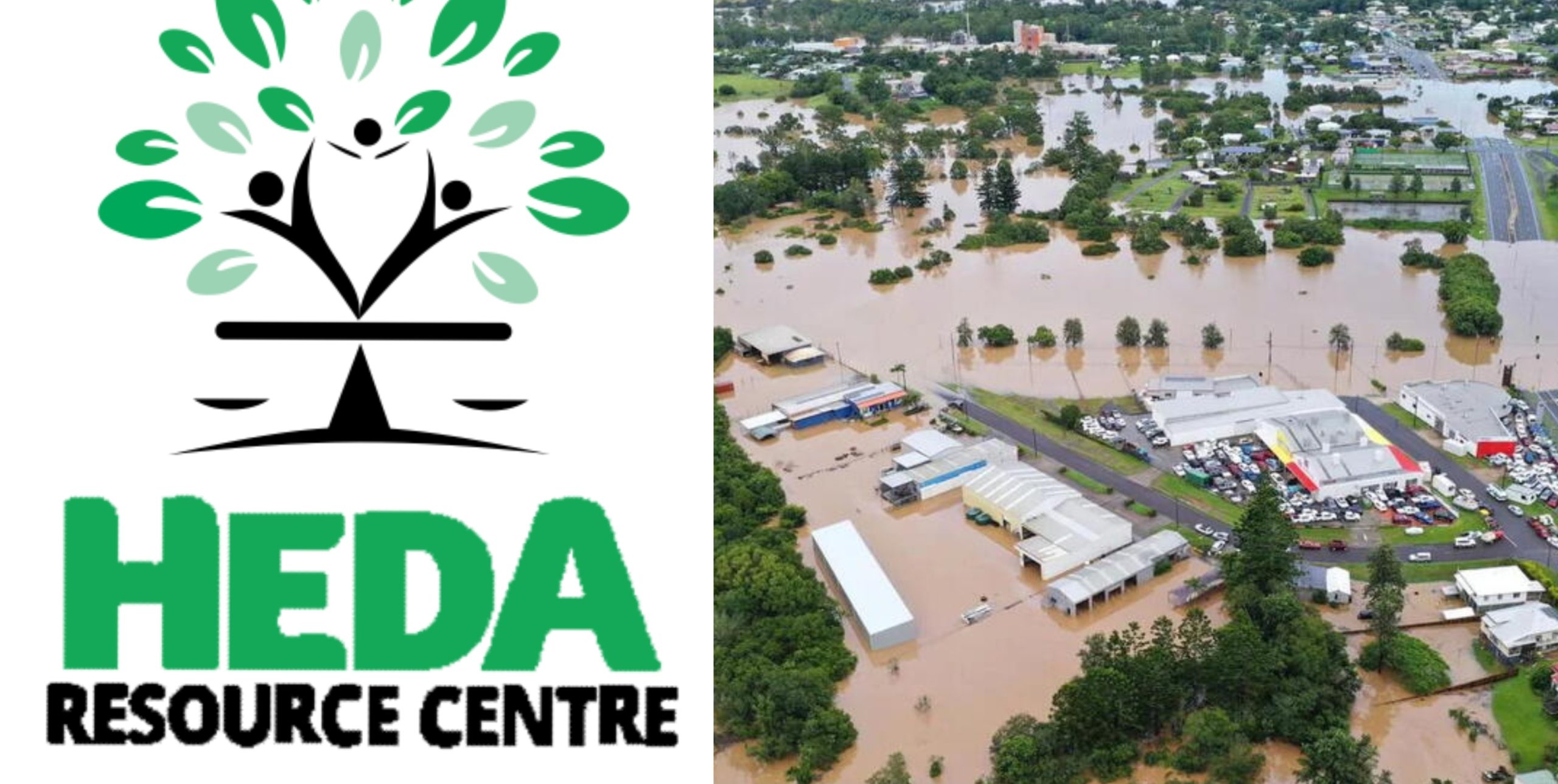
The Human and Environmental Development Agenda (HEDA Resource Centre) has warned that anticipated flooding across Nigeria could derail key infrastructure projects in the 2026 budget cycle and deepen food insecurity if urgent preventive measures are not taken.
Executive Secretary of HEDA, Mr. Suleiman Arigbabu, raised the alarm in Lagos while reacting to the 2026 Annual Flood Outlook released by the Nigeria Hydrological Services Agency (NIHSA), which forecasts flooding in several parts of the country at different periods of the year.
Arigbabu said the projection signals significant risks for government investments, particularly in road construction, housing, and other capital-intensive projects that are vulnerable to heavy rainfall and water inundation.
According to him, past experiences show that flooding often leads to project delays, cost overruns, and in some cases, complete destruction of infrastructure, thereby undermining development efforts and public spending efficiency.
“Flooding is no longer just an environmental issue; it has become a major economic threat. Critical projects captured in the 2026 budget could face setbacks if proactive steps are not taken to mitigate the impact,” he said.
He noted that the flood outlook aligns with historical patterns, adding that NIHSA’s predictions have consistently recorded high levels of accuracy in recent years.
The HEDA boss attributed the increasing frequency and severity of flooding to climate change, which has intensified rainfall patterns, as well as to human activities such as poor urban planning, indiscriminate waste disposal, and deforestation.
He explained that blocked drainage systems and the destruction of wetlands have reduced the environment’s natural ability to absorb excess water, thereby increasing the likelihood of flash floods in both urban and rural areas.
Arigbabu also pointed to the failure to maintain critical water management infrastructure, including dams and drainage channels, noting that the lack of regular desilting has significantly reduced their capacity.
Beyond infrastructure concerns, he warned that flooding poses a serious threat to food production and supply chains, particularly in agrarian communities.
“Farmlands are often submerged during floods, leading to crop losses and reduced yields. This directly impacts food availability and can trigger price increases, worsening food insecurity across the country,” he said.
He added that the displacement of farming communities and disruption of rural livelihoods further compound the challenge, making vulnerable populations even more exposed to hunger and poverty.
Arigbabu also highlighted potential public health implications, noting that floods could increase the spread of waterborne diseases and limit access to healthcare services in affected areas.
He called on all tiers of government to prioritise investment in flood control infrastructure, including improved drainage systems, embankments, and early warning mechanisms.
He also stressed the need for stronger environmental governance, enforcement of waste management regulations, and restoration of wetlands to serve as natural flood buffers.
While urging citizens to adopt responsible environmental practices, Arigbabu emphasised that addressing the country’s flooding challenge requires a coordinated approach involving government agencies, private sector stakeholders, and local communities.
“If we fail to act decisively, the consequences will extend beyond seasonal flooding to long-term economic and social instability,” he warned.
The HEDA chief maintained that timely intervention and sustained commitment to environmental management are critical to safeguarding lives, protecting investments, and ensuring national food security.










 Crime2 years ago
 Education7 months ago
 News6 years ago
 Business6 years ago
 Agriculture4 years ago
 Crime3 years ago