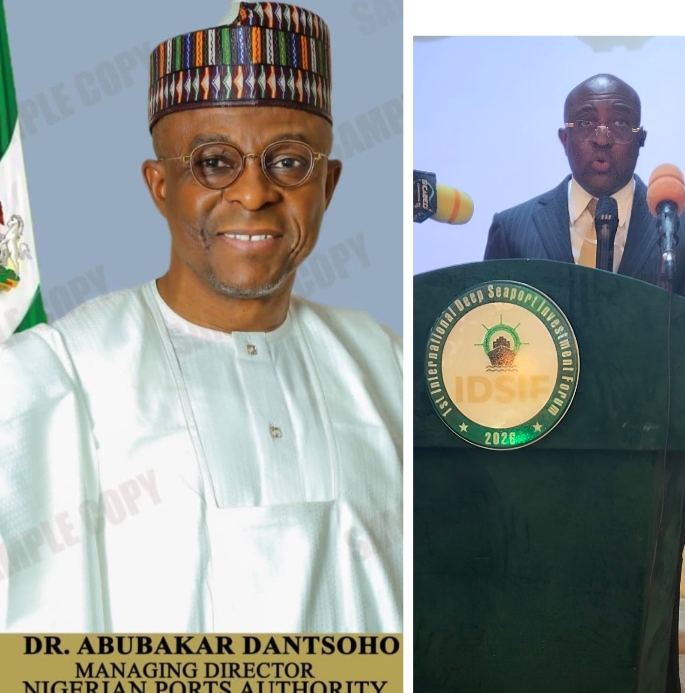
The NPA identified the Lekki Deep Sea Port as a model for transformation. With a 16.5-metre draft and capacity for up to 18,000 TEUs, the port enables larger vessel traffic and lower freight costs through economies of scale. Its Public-Private Partnership (PPP) structure—dominated by private sector investment—has also demonstrated strong investor confidence.
However, the Authority noted that major gaps remain, particularly in hinterland connectivity. Poor rail and road networks continue to constrain cargo evacuation, creating opportunities for private sector investment in rail systems, truck transit parks, and automated logistics solutions.
Digital integration is another critical area. The NPA said the development of a Port Community System (PCS), aligned with the Federal Government’s Single Window initiative, could reduce cargo dwell time from about 10 days to between three and five days, significantly improving efficiency.
The paper also highlighted growing opportunities in green port development, including shore-side power systems, electrified cargo handling equipment, and renewable energy solutions within port environments.
Beyond Lekki, several deep seaport projects—such as Badagry, Ibom, Ondo and Bakassi—are in the pipeline, with the NPA encouraging investors to leverage the successful PPP model to drive their development.
The African Continental Free Trade Area he stated is expected to further boost the viability of these investments by increasing intra-African trade volumes. With modern infrastructure, Nigeria could better compete with established regional hubs such as Lomé and Abidjan.
To ensure sustainability, the NPA emphasised the need for adherence to regulatory frameworks, adoption of PPP models, deployment of digital systems, and investment in environmentally friendly technologies.
It added that long-term success would depend on efficient hub-and-spoke operations, improved hinterland connectivity, and proximity to major industrial zones capable of generating consistent cargo volumes.
The authority reaffirmed its commitment to providing technical guidance and support to investors, expressing confidence that with the right policies and investments, Nigeria can unlock significant economic value and strengthen its position as a preferred maritime gateway in Africa.
Earlier the convener, Elder Asu at his opening remarks traced Nigeria’s port history from early colonial developments to modern challenges, highlighting how evolving global shipping trends, particularly larger vessels requiring deeper drafts have rendered many existing ports uncompetitive.
He added: “Is Nigeria’s ambition to become a maritime hub fading? That is the critical question we must answer.”