
Business
Collaboration, institutional synergy key to driving Nigeria’s non-oil export growth – Akutah
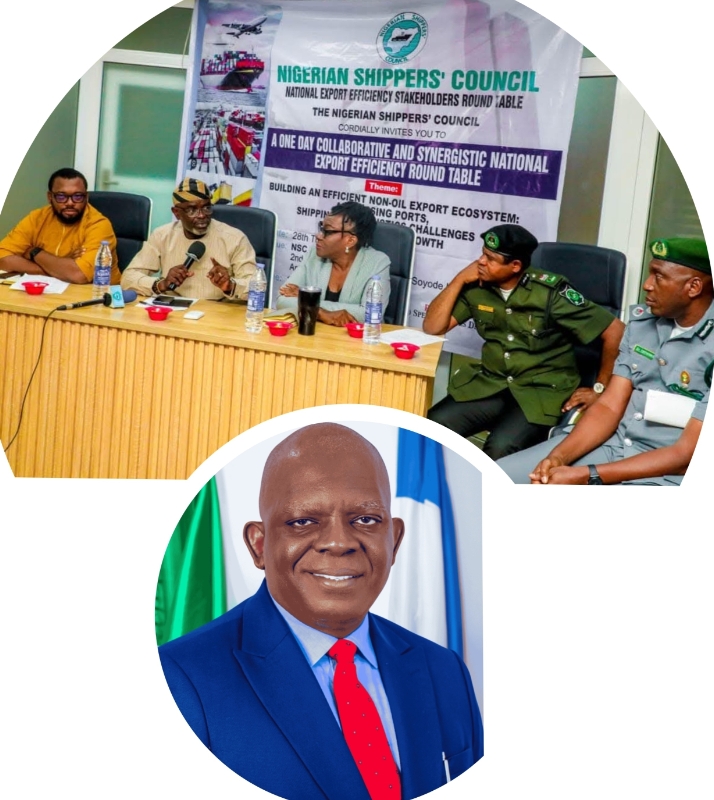
 Represented by the Director of Strategic Planning and Research, Mr. Rotimi Anifowose, the NSC boss said the roundtable was convened to deepen stakeholder engagement, align operational processes, and develop practical solutions to persistent bottlenecks hindering non-oil exports.
 According to him, improving Nigeria’s non-oil export performance requires seamless coordination among government agencies, private sector operators, logistics providers, and financial institutions.
 She identified the implementation of the National Single Window project as central to ongoing reforms, noting that the initiative is expected to automate port processes, reduce delays, improve transparency, and facilitate seamless trade operations.
 In his presentation, Founder and Chief Executive Officer of Multi-Mix Academy, Dr. Obiora Madu, outlined five critical pillars required to boost non-oil export efficiency: corridor efficiency, port productivity, shipping connectivity, trade documentation, and access to export finance.
 The roundtable featured a panel session with representatives from key agencies, including the Nigerian Shippers’ Council, Nigeria Customs Service, Nigeria Agricultural Quarantine Service, NACCIMA, Nigeria Police Force, and NAGAFF.
 The meeting concluded that building an efficient non-oil export ecosystem in Nigeria is achievable through collective accountability, sustained investment in infrastructure, digital transformation, and commitment to procedural transparency.








Business14 hours ago
Revenue up, unsafe imports down: Kirikiri Customs reports ₦19.4bn collection, major vape seizure

News15 hours ago
Ododo courts UK diaspora support for Tinubu’s economic agenda, Kogi development

Crime1 day ago
Afeni deepens inter-agency alliance as Ogun I Customs, NAFDAC, Army intensify anti-smuggling fight

-

 Crime2 years ago
Imo police confirm arrest of journalist, ‘Nonsonkwa’ over alleged Cyberstalking, Incitement
-
 Education5 months ago
Anambra leads South-east in education allocation ratio, as Imo ranks lowest
-
 News6 years ago
Orthodox Anglican Church, not Same as Church of Nigeria- Bishop
-

 Business6 years ago
Pay-As-You-Go not applicable to pay TV – FCCPC
-

 Agriculture4 years ago
Environment Day: Foundation partners, FCMB, Chevron, harps on collective efforts on earth protection
-

 Crime3 years ago
Pastor allegedly kills female member, prevents 20 year old daughter from attending burial