The Nigeria Customs Service (NCS) has intensified efforts to combat illicit financial flows, money laundering and terrorism financing through a specialised sensitisation programme aimed at strengthening the operational capacity of officers in its Anti-Money Laundering and Combating the Financing of Terrorism (AML/CFT) Unit.
The programme, held at the Service Headquarters in Maitama, Abuja, formed part of the first-quarter operational review and training exercise for AML/CFT officers, underscoring Customs’ expanding role in protecting Nigeria’s financial system and national security architecture.
 Speaking during the session, the Assistant Comptroller-General in charge of Headquarters, Muhammad Shuaibu, said the training reflects the increasing strategic relevance of AML/CFT operations within the Service.
According to him, the Customs AML/CFT Unit has evolved beyond routine border enforcement to become a key institution in Nigeria’s wider efforts to track illicit financial transactions, curb smuggling-linked financial crimes and disrupt terrorism financing networks.
He noted that the unit’s activities now have implications far beyond seaports, airports and land borders, contributing directly to the integrity and stability of Nigeria’s financial ecosystem.
Shuaibu also pointed to broader reforms in Nigeria’s financial system, highlighting the growing global functionality of Nigerian-issued bank cards, which now support seamless international transactions with automatic currency conversion.
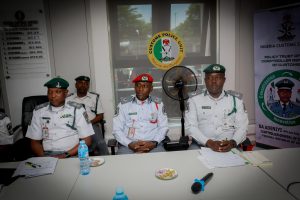 “This represents significant progress in Nigeria’s financial ecosystem. Nigerians can now travel and conduct transactions globally with greater ease and efficiency,” he said.
He encouraged officers posted to the AML/CFT Unit to view the assignment as a strategic career opportunity rather than a disciplinary posting, stressing that the unit offers specialised exposure in financial intelligence, compliance monitoring and international enforcement collaboration.
Shuaibu added that Customs is strengthening alignment with global best practices through ongoing collaboration with the World Customs Organization (WCO) World Customs Organization.

Also addressing participants, Acting Provost Marshal, Deputy Comptroller of Customs Saulawa Sunusi, emphasised the need for discipline, professionalism and ethical conduct in carrying out sensitive financial crime enforcement duties.
“Integrity remains the foundation of our operations. Officers must uphold professionalism, fairness and confidentiality at all times,” he said.
 National Coordinator of AML/CFT, Assistant Comptroller Mas’ud Salihu, warned that financial crimes are becoming increasingly sophisticated, with illicit transactions rapidly migrating into digital and virtual platforms.
He said Customs is therefore focusing on strengthening enforcement systems, improving intelligence-sharing channels and identifying operational gaps to better respond to emerging threats.
 Participants also received training on official correspondence and communication protocols, including guidance on handling sensitive information and maintaining secure reporting channels.
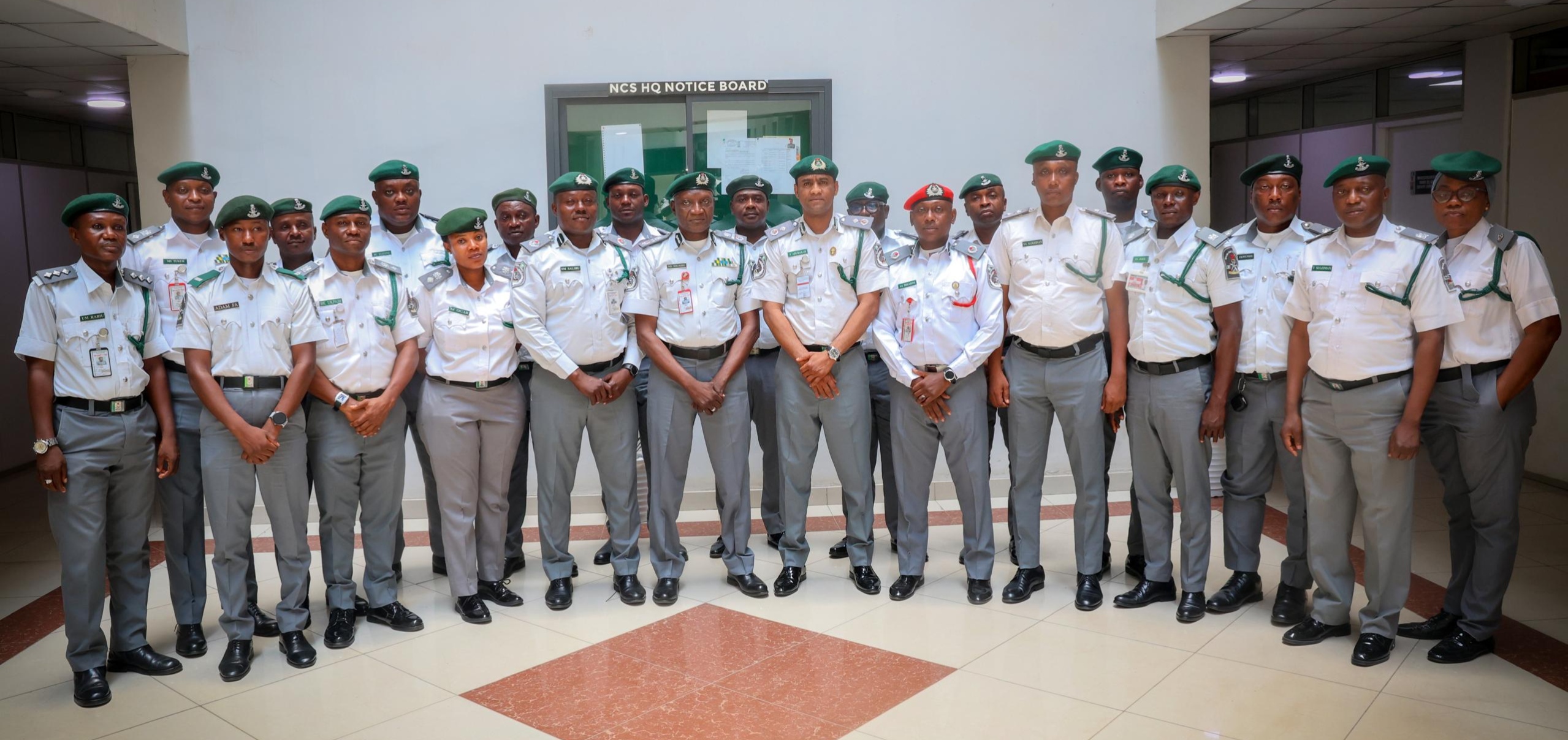
The sensitisation programme forms part of Customs’ broader strategy to deepen compliance, strengthen institutional ethics and enhance Nigeria’s ability to detect and disrupt financial crimes linked to cross-border trade and organised criminal networks.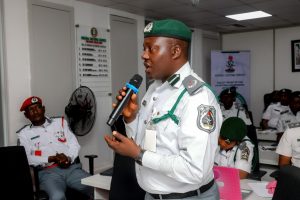









 Crime2 years ago
 Education7 months ago
 News6 years ago
 Business6 years ago
 Agriculture4 years ago
 Crime3 years ago