
Business
NPA reports rising cargo, vessel traffic, urges media to probe growth figures
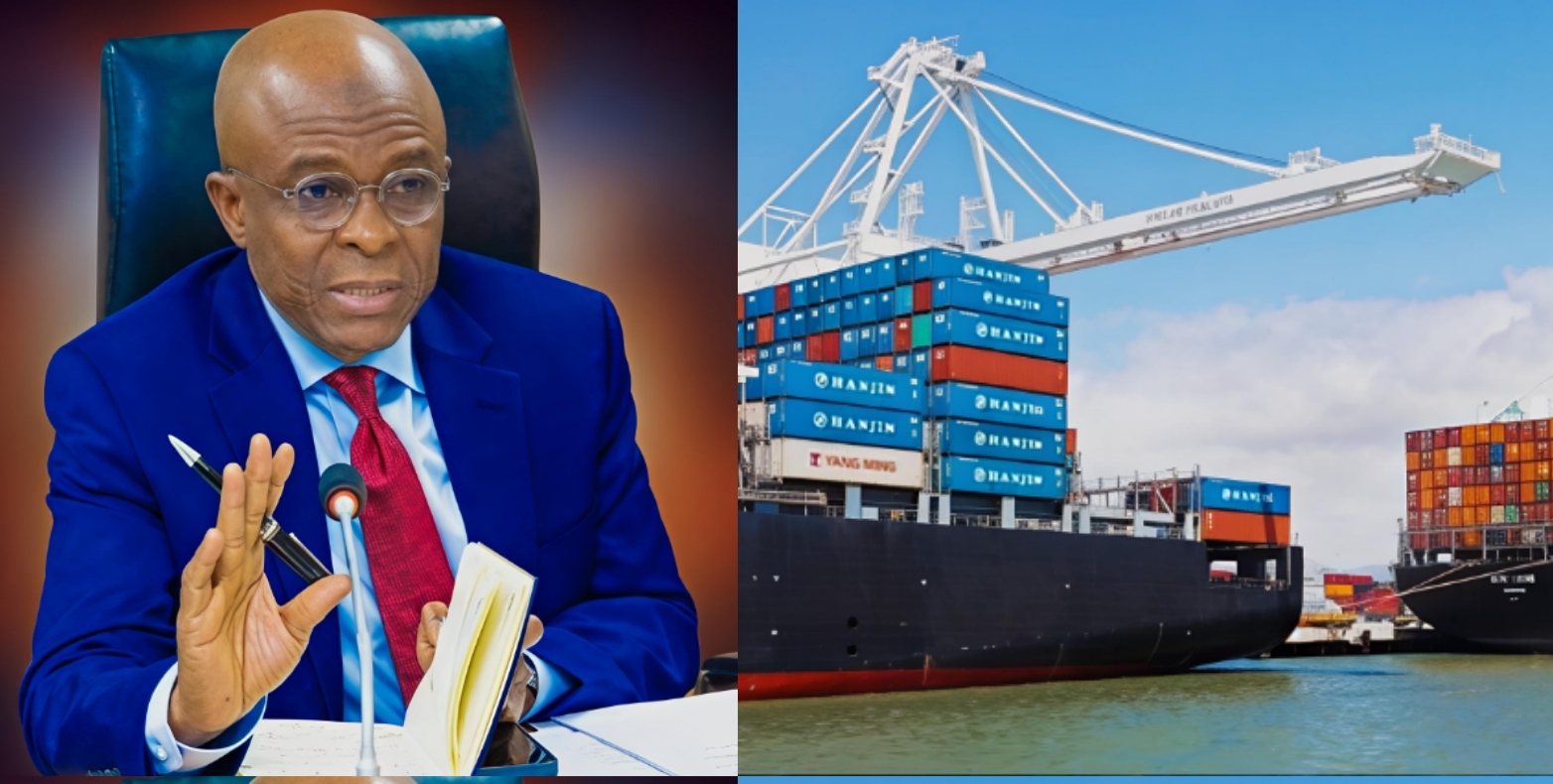
The Nigerian Ports Authority (NPA) has reported sustained growth in cargo throughput and vessel traffic across the nation’s seaports, urging journalists to go beyond reporting headline figures and subject claims about the maritime sector to thorough scrutiny.
The General Manager, Corporate Affairs, NPA, Ikechukwu Onyemekara, made the call during a two-day Data-Driven Business and Maritime Reporting Training organised by the Authority in collaboration with Premium Times Training Academy in Ikeja, Lagos.
He disclosed that cargo throughput rose from 103.6 million metric tonnes in 2024 to 129.3 million metric tonnes in 2025, representing a 24.8 per cent increase.
According to him, the growth momentum continued in the first half of 2026, when the ports handled 68.2 million metric tonnes of cargo, compared with 60.8 million metric tonnes recorded in the corresponding period of 2025, indicating a 12.2 per cent increase.
Onyemekara
Onyemekara also revealed that vessel traffic increased, with 2,300 ships calling at Nigerian ports in the first half of 2026, against 2,152 vessels in the same period of the previous year.
He urged media professionals to interrogate these figures, verify their sources and provide the context needed to help the public understand the actual performance of the maritime sector.
The NPA spokesman stressed that accurate reporting was essential to building confidence in the country’s port system, attracting investment and supporting informed decisions by shipping companies, cargo owners and other industry players.
“We do not ask you for praise; we ask for accuracy. Where we fall short, report it. Where we make progress, report that too, with the same discipline,” he said.
He noted that ports compete internationally for shipping lines, cargo and investment, making the quality of information circulating about their operations a significant factor in shaping business decisions.

Dr Dantosho, NPA Managing Director
According to him, inaccurate reports about congestion, port charges and operational challenges could create confusion, undermine confidence and potentially influence the decisions of shipping lines and investors.
“When your reporting is accurate, it reduces risk and helps people make sound decisions. It credits reforms that work and exposes those that do not,” Onyemekara added.
The NPA official further disclosed that Nigeria’s merchandise trade reached ₦41.4 trillion in the second quarter of 2026, representing a 5.6 per cent increase over the corresponding period of 2025.
He explained that outward cargo accounted for 41.9 per cent of total port throughput in the second quarter, reflecting the importance of export activity to the country’s trade performance.
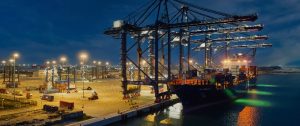
On the contribution of individual ports, Onyemekara said Lekki Deep Sea Port handled nearly 40 per cent of cargo throughput across Nigerian ports in the first half of 2026, with more than three-quarters of its traffic linked to refinery operations.
He identified ongoing reforms in port modernisation, digitalisation, export facilitation and sustainability as part of efforts to improve efficiency and strengthen Nigeria’s competitiveness as a maritime and logistics hub.
The reforms include the Federal Government-backed financing arrangement of £746 million from the United Kingdom to support the modernisation of Apapa and Tin Can Island ports, as well as rehabilitation works at the ports of Onne, Warri and Calabar.
Other initiatives include the proposed National Single Window and Port Community System, alongside the Eto electronic truck call-up platform, which are expected to streamline documentation, reduce delays and improve cargo movement.
Onyemekara urged journalists to develop stronger data-reporting skills, consult primary sources, compare figures across equivalent periods and seek responses from relevant institutions before publishing reports.
He emphasised that the media had a responsibility not only to communicate developments in the maritime industry but also to hold institutions accountable through evidence-based reporting.
The training was designed to strengthen journalists’ capacity to interpret economic and maritime data, improve the quality of industry reporting and promote a more informed public understanding of developments in Nigeria’s port sector.















-
 Business1 year ago
Kirikiri Lighter Terminal Customs achieves 63% revenue growth in first half of 2025, generates ₦89.2b
-

 Crime2 years ago
Imo police confirm arrest of journalist, ‘Nonsonkwa’ over alleged Cyberstalking, Incitement
-

 Business1 year ago
Nigerians can now independently verify vehicle duty payment status online with ₦15,000
-

 Business3 years ago
Floating Naira: Imminent drawback to revenue as Customs Duty Exchange Rate rises again to ₦783.174
-

 Crime6 years ago
EFCC: “Why Magu’s confirmation was turned down by Senate”
-

 Crime4 months ago
Smuggling: Customs FOU ‘A’ intercepts 220 consignments, recovers ₦729m