
News
Tinubu administration’s reforms working, population hindering visible impact, Says presidential aid

By Ezurike Ugochukwu
President Bola Ahmed Tinubu Adviser, Daniel Bwala has attributed the slow pace at which many Nigerians are experiencing the benefits of ongoing economic reforms to the country’s large population and enormous infrastructure deficit.
Speaking during an interview on ARISE News, Bwala said that while the administration of Bola Ahmed Tinubu has recorded improvements in revenue generation, the available resources remain insufficient to adequately meet the needs of Nigeria’s more than 230 million citizens.
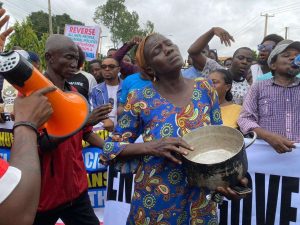 According to Bwala, the sheer size of the population means that the impact of economic reforms and fiscal adjustments will take longer to be felt across the country, despite what he described as steady progress being made by the government.

“The answer is simply population and resources. The population is over 230 million. The resources we have, however, even with increased revenue, are not enough to match the population and the infrastructure deficit. Growth will inevitably be slow, but it will be slow, steady and consistent,” he said.
The presidential aide argued that the gains of the administration’s economic policies are already becoming evident through increased allocations to state governments following key fiscal reforms undertaken by the Federal Government.
He noted that higher revenues shared among the three tiers of government have enabled state administrations to undertake more development projects and improve service delivery, which he said is gradually translating into benefits for citizens.
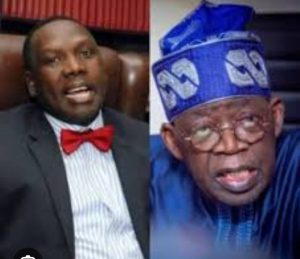
Bwala and Tinubu
According to Bwala, the reforms introduced by the Tinubu administration were designed to place the economy on a more sustainable footing, even though the immediate effects may not be felt uniformly across all segments of society.
“When you talk about increased revenue, the effect is the higher allocation to states, which has resulted in improvements in state administration and has also impacted the people,” he stated.
His remarks come amid continued public debate over the impact of economic reforms, including the removal of fuel subsidies, exchange-rate adjustments and other fiscal measures introduced by the Federal Government since 2023.
While government officials maintain that the reforms are necessary to stabilise the economy and create long-term growth, many Nigerians have continued to express concerns over rising living costs, inflationary pressures and the slow pace of economic relief.
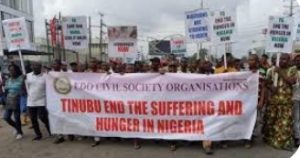 Bwala, however, insisted that economic transformation in a country of Nigeria’s size requires time, sustained policy implementation and prudent management of resources, stressing that the administration remains committed to delivering long-term prosperity despite current challenges.
The comments reflect the government’s position that ongoing reforms are laying the foundation for future economic growth, even as citizens continue to await more visible improvements in their daily lives.












PTML customs challenges stakeholders to beat two-hour cargo clearance record, higher revenue

Tinubu administration’s reforms working, population hindering visible impact, Says presidential aid

NLNG strengthens global energy supply chain with three new LNG vessels
-

 Crime2 years ago
Imo police confirm arrest of journalist, ‘Nonsonkwa’ over alleged Cyberstalking, Incitement
-

 News6 years ago
Orthodox Anglican Church, not Same as Church of Nigeria- Bishop
-

 Business6 years ago
Pay-As-You-Go not applicable to pay TV – FCCPC
-

 Crime3 years ago
Pastor allegedly kills female member, prevents 20 year old daughter from attending burial
-

 Agriculture4 years ago
Environment Day: Foundation partners, FCMB, Chevron, harps on collective efforts on earth protection
-

 News2 years ago
Ex-TCN Abuja GM, Nwaire wears cap of General Overseer Christian Life Gospel Assembly