
Business
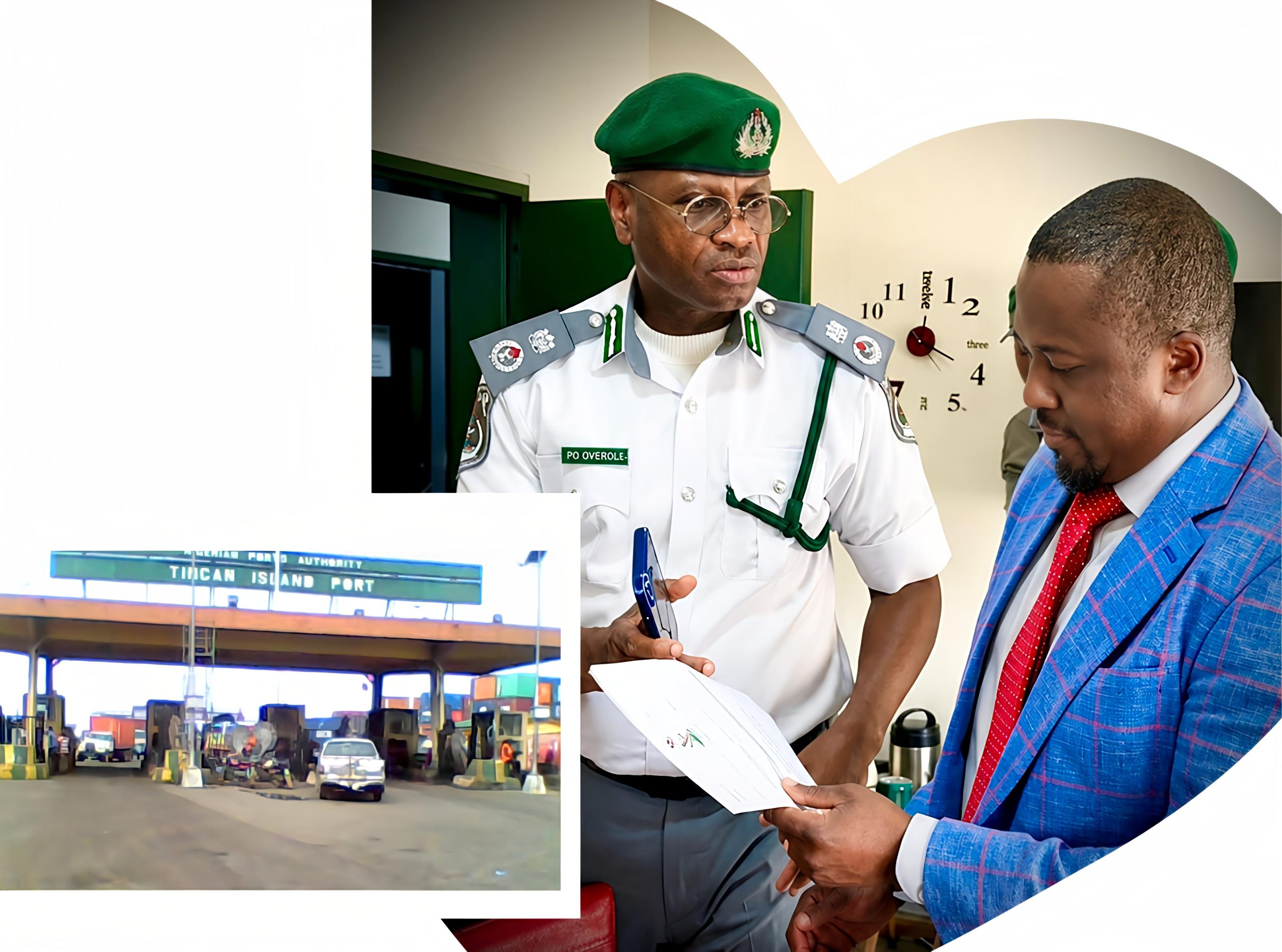
How stolen Lamborghinis, Rolls-Royce cars ended up in Nigeria — Customs, Canada trace network
By Ezurike Ugochukwu
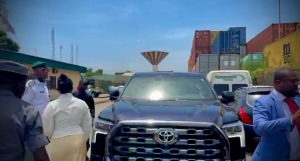 Among the vehicles recovered were a 2019 Lamborghini Huracán, 2018 Lamborghini Aventador, 2021 Rolls-Royce Dawn Convertible, 2019 Mercedes-Benz G550, 2023 Range Rover, 2019 Lexus RX350 and a 2026 Toyota Tundra.
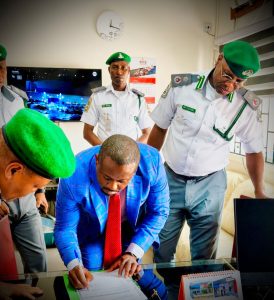 Speaking during the handover ceremony, Onyeka disclosed that one of the vehicles, a Toyota Tacoma, was discovered concealed inside a container transporting other automobiles.
 The Customs boss revealed that the Service deliberately refused pressure to release the vehicles to third parties, insisting that only accredited representatives of the Canadian government could complete the recovery process.





Business2 days ago
Seme–Krake: Nigeria, Benin Customs begin push for seamless border trade
Business3 days ago
AMJON Conference: NIMASA, Customs, NPA, NSML push innovation, digital skills for future-ready maritime sector

Business3 days ago
Customs: Discipline, character critical as 2025 recruitment screening enters final phase

-

 Crime2 years ago
Imo police confirm arrest of journalist, ‘Nonsonkwa’ over alleged Cyberstalking, Incitement
-
 Education7 months ago
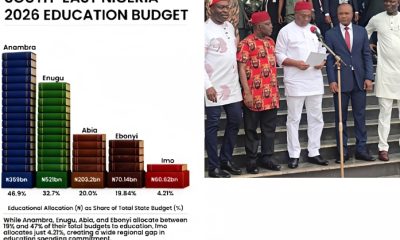
Anambra leads South-east in education allocation ratio, as Imo ranks lowest
-
 News6 years ago
Orthodox Anglican Church, not Same as Church of Nigeria- Bishop
-

 Business6 years ago
Pay-As-You-Go not applicable to pay TV – FCCPC
-

 Agriculture4 years ago
Environment Day: Foundation partners, FCMB, Chevron, harps on collective efforts on earth protection
-

 Crime3 years ago
Pastor allegedly kills female member, prevents 20 year old daughter from attending burial