
Business
Yuletide Travel: NATOP rolls out 13-point guidelines to promote safe, responsible tourism

By Ezurike Ugochukwu
The Nigeria Association of Tour Operators (NATOP) has introduced a 13-point seasonal safety, security, privacy and professional conduct advisory for tour operators, guides and tourism service providers to promote safe and responsible tourism during the Christmas and New Year holidays.
The advisory, endorsed by NATOP President, Mrs Bolaji Mustapha, and signed by the Assistant National Publicity Officer, Prince Uduak, comes as tourism and travel activities are expected to increase across destinations in Nigeria during the yuletide season.
In the advisory issued in Abuja on November 20, 2026, the association urged tourism practitioners to prioritise the safety, security, dignity and privacy of tourists, stressing that responsible conduct and adequate emergency preparedness are essential to delivering successful tourism experiences.
A major provision of the guidelines is the mandatory availability of properly equipped emergency kits for tour guides on every organised tour, irrespective of the destination, duration or size of the group.
NATOP directed operators to provide the kits and ensure that their contents are regularly inspected, replenished and maintained in good condition.
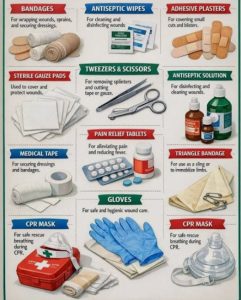
The recommended contents include sterile gauze, adhesive bandages, wound dressings, antiseptic wipes, disposable gloves, adhesive tape, scissors, tweezers, digital thermometers, CPR face shields, emergency blankets, saline solutions, instant cold packs and emergency response information.
Additional safety and rescue equipment should also be provided for hiking, water-based tourism, adventure activities and excursions to remote locations.
The association cautioned, however, that emergency kits are not substitutes for professional medical care, advising guides to administer first aid only within the limits of their training and competence and seek qualified medical assistance when necessary.
On safety assessments, NATOP urged operators to conduct checks before every tour, particularly activities involving beaches, waterways, forests, wildlife locations, hiking trails, rural communities and other outdoor attractions.
Such assessments, it said, should consider prevailing security conditions, weather, road conditions, availability of emergency services, participants’ health and physical capabilities, as well as other risks associated with planned activities.
It advised practitioners to modify, postpone or cancel any activity where significant or unacceptable risks are identified.
The association also placed strong emphasis on tourists’ privacy, warning operators and guides against publishing real-time photographs, videos, live streams or identifiable location details while tourists are still on excursions.
It specifically prohibited the disclosure of visitors’ current locations, movement patterns, itineraries, hotel details, transportation arrangements, vehicle registration details and other information that could expose them to security threats.
According to NATOP, promotional materials should only be published after tourists have safely completed their tours and departed the locations, subject to their consent.
The guideline particularly highlighted the need for caution when handling the movements and personal information of high-profile individuals, international visitors, families and corporate executives.

On photography, the association insisted that operators must obtain clear permission before taking or publishing photographs and videos for promotional, commercial or publicity purposes.
It stressed that participation in a tour does not automatically amount to consent to have photographs or videos published on social media, websites, newspapers, magazines, brochures or other marketing platforms.
Tourists’ refusal to be photographed or have their images published, it added, must be respected without discrimination.
Addressing health considerations, NATOP advised operators to discreetly establish before tours whether participants have medical conditions, disabilities, allergies or other health needs requiring special attention.
These include asthma, epilepsy, heart conditions, diabetes, severe allergies and mobility challenges, as well as conditions that could be aggravated by strenuous activities, heat, water-based recreation or prolonged travel.
It urged practitioners to handle such information sensitively and confidentially, avoid pressuring tourists to disclose unnecessary details and restrict access to personnel who need the information for safety arrangements.
The association further called for effective communication and accountability throughout organised tours.
For group excursions, operators are expected to maintain accurate participant registers, conduct headcounts at departure points, arrival locations and designated stops, establish clear meeting points and reporting times, and ensure that no tourist is left behind.
Guides must also maintain communication with designated operational contacts and account for every participant at the conclusion of each tour.

For excursions to remote locations with limited telecommunications coverage, NATOP recommended alternative communication arrangements.
On transportation, the association directed operators to ensure that vehicles used for tours are roadworthy, appropriately insured and operated by qualified and properly licensed drivers.
It warned against overcrowding, the use of mechanically unsafe or unsuitable vehicles, reckless driving and the consumption of alcohol or other intoxicating substances by drivers while on duty.
The advisory also requires operators to establish basic emergency response procedures covering road accidents, medical emergencies, security incidents, missing tourists, fires and other unforeseen occurrences.
Guides are expected to know how to access emergency services and identify the nearest medical facilities along their routes, while serious incidents must be promptly reported to designated management contacts, properly documented and handled confidentially.
On data protection, NATOP warned against the unauthorised disclosure of tourists’ personal information, including passport details, identification documents, telephone numbers, hotel reservations, travel itineraries, financial information and emergency contacts.
It specifically cautioned against sharing photographs of passports, identity cards, flight tickets, hotel reservations and other sensitive travel documents on social media or public platforms.
The association said such information should only be used for legitimate operational purposes and in accordance with applicable data protection laws.
NATOP also reinforced the need for professional boundaries, declaring harassment, intimidation, unwanted advances, inappropriate touching, discriminatory remarks, exploitation and verbal abuse unacceptable.
It urged tour operators and guides to treat tourists fairly and respectfully, irrespective of nationality, race, gender, religion, age, disability or social status.
Special safeguards were also prescribed for children, elderly persons, persons with disabilities and other vulnerable tourists.
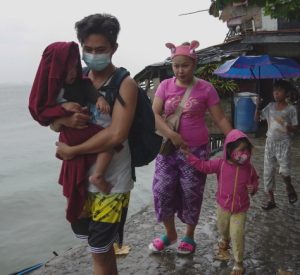
Tour guides were cautioned against separating children from their parents or authorised guardians without appropriate safeguards or taking them away from parental supervision without clear authorisation.
The association further called for compliance with applicable child protection and safeguarding requirements in photography, communication and interactions involving children.
On service delivery, NATOP urged operators to provide truthful and accurate information about destinations, activities, transportation, accommodation, costs, potential risks and available services.
It warned against exaggerating the safety, accessibility or availability of attractions to secure bookings, insisting that tourists should receive appropriate briefings on expected conduct, environmental conditions, cultural sensitivities and relevant restrictions before activities commence.
The advisory also emphasised respect for host communities, their customs, traditions, privacy and dignity.

Operators were advised to brief tourists before visiting sacred sites, traditional institutions, private properties and culturally sensitive locations, while obtaining appropriate permission before photographing individuals, traditional ceremonies or restricted locations.
The association equally urged tourism practitioners to discourage littering, environmental degradation, wildlife disturbance and other activities capable of undermining the sustainability of tourism destinations.
NATOP maintained that safety, security, privacy, professionalism and responsible conduct are indispensable to successful tourism experiences, urging tour operators, guides and other service providers to make compliance with the 13-point guidelines a priority throughout the Christmas and New Year travel season.
















-

 Crime2 years ago
Imo police confirm arrest of journalist, ‘Nonsonkwa’ over alleged Cyberstalking, Incitement
-
 Business1 year ago
Kirikiri Lighter Terminal Customs achieves 63% revenue growth in first half of 2025, generates ₦89.2b
-

 Business1 year ago
Nigerians can now independently verify vehicle duty payment status online with ₦15,000
-

 Business3 years ago
Floating Naira: Imminent drawback to revenue as Customs Duty Exchange Rate rises again to ₦783.174
-

 Crime6 years ago
EFCC: “Why Magu’s confirmation was turned down by Senate”
-

 Crime3 months ago
Smuggling: Customs FOU ‘A’ intercepts 220 consignments, recovers ₦729m