By Ezurike Ugochukwu
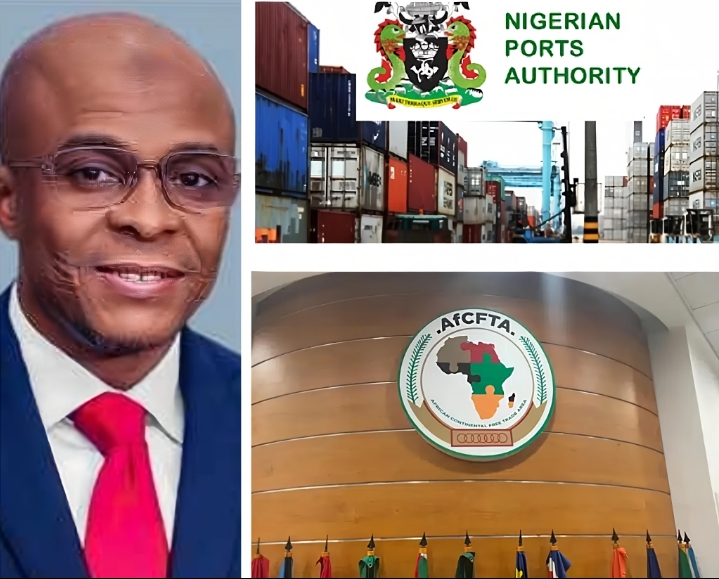
The Nigerian Ports Authority (NPA) has intensified efforts to modernise the nation’s port system as part of a strategic push to position Nigeria as a leading trade and logistics hub under the African Continental Free Trade Area (AfCFTA).
Managing Director of the NPA, Dr. Abubakar Dantsoho, disclosed this while addressing maritime stakeholders in Lagos, stressing that port efficiency and infrastructure development are now critical to Nigeria’s competitiveness in an increasingly integrated African market.
 According to him, the implementation of AfCFTA has heightened competition among African countries, making it imperative for Nigeria to strengthen its ports to attract more cargo traffic, investments, and trade opportunities.
“Nigeria’s geographical advantage alone is no longer sufficient. Efficiency, speed, innovation, and reliability will define leadership in this new era,” Dantsoho said.
He noted that the Authority is currently implementing a broad reform programme targeted at addressing structural bottlenecks that have historically undermined the competitiveness of Nigerian ports.
As part of the strategy, Dantsoho highlighted ongoing infrastructure upgrades at Apapa and Tin Can Island ports aimed at boosting berth productivity, expanding capacity, and reducing vessel turnaround time.
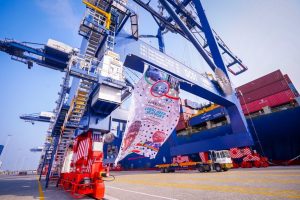 He also underscored the strategic importance of deep seaports, particularly Lekki Deep Seaport, in reshaping Nigeria’s maritime landscape by accommodating larger vessels and increasing cargo throughput.
“The emergence of deep seaports is a game changer for Nigeria’s maritime sector and our competitiveness under AfCFTA,” he noted.
Beyond infrastructure, the NPA boss said the Authority is accelerating port digitalisation through the implementation of the Port Community System (PCS) and the Federal Government’s National Single Window initiative.
He explained that both platforms are designed to integrate stakeholders, streamline documentation, reduce delays, and improve transparency in port operations.
 “Digital transformation is no longer optional. It is central to reducing inefficiencies and lowering the cost of doing business at our ports,” he stated.
Dantsoho added that operational reforms are also focused on reducing cargo dwell time, improving terminal service delivery, and accelerating cargo clearance.
To support seamless cargo evacuation, he disclosed that the NPA is expanding multimodal transport systems, including rail integration, inland dry ports, barging operations, and dedicated export corridors.
“Without efficient hinterland connectivity, gains made at the ports cannot be sustained,” he said.
The NPA boss further revealed that the Authority is strengthening partnerships with private investors and global port operators to attract sustainable investments and align Nigerian ports with global best practices.
He expressed confidence that the reforms would deliver significant benefits, including faster operations, lower logistics costs, increased trade volumes, improved export competitiveness, and higher government revenue.
“This is a decisive transition from inefficiency to performance. Our goal is to make Nigeria the preferred maritime gateway to West Africa,” Dantsoho concluded.











 Crime2 years ago
 Education7 months ago
 News6 years ago
 Business6 years ago
 Agriculture4 years ago
 Crime3 years ago