
Metro
June 30 threat: Nigerian community leader urges FG to act to protect citizens in South Africa
By Ezurike Ugochukwu
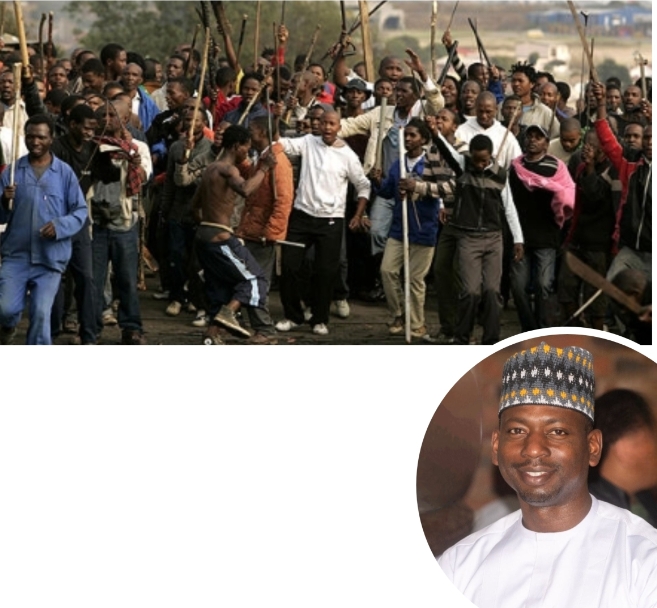
A leading Nigerian community figure in South Africa has called on the Federal Government to urgently engage South African authorities ahead of a controversial June 30 deadline announced by anti-immigration groups, warning that the development could trigger tensions and expose foreign nationals to fresh attacks.
Chairman of the Board of Trustees of the Nigeria Union South Africa (NUSA), Mr. Ekos Akpokabayen, made the appeal in a statement issued in Johannesburg, expressing concern over growing anxiety among migrant communities following threats linked to anti-foreign campaigns in parts of South Africa.
Akpokabayen stressed that although the June 30 deadline did not originate from the South African government, its potential impact should not be underestimated, given the country’s history of xenophobic violence against foreign nationals.


Ekos Akpokabayan, Chairman BoT, NUSA
According to him, preventive diplomatic engagement is critical to ensuring that tensions do not escalate into attacks capable of endangering lives and destroying businesses.
“It is always better to prevent such situations before they escalate because the consequences may be severe,” he stated.
The NUSA leader warned that criminal elements could take advantage of the situation to target foreign-owned businesses through looting, vandalism and other acts of violence under the guise of anti-immigration protests.
 He urged the Nigerian government to proactively engage South African authorities, security agencies and relevant stakeholders to forestall any breakdown of law and order.
Akpokabayen also called on the Nigerian High Commission in South Africa to intensify monitoring of developments and maintain constant communication with Nigerian community organisations across the country.
According to him, regular engagement between diplomatic officials and community leaders would help provide timely information, reassure Nigerians and facilitate rapid responses should tensions arise.
“The Nigerian Mission should continue to engage community leaders and keep Nigerians informed about developments and the measures being taken to guarantee their safety and security,” he said.
While appealing for calm, Akpokabayen advised Nigerians living in South Africa to remain vigilant, law-abiding and security conscious, urging them to avoid actions that could aggravate existing tensions.
He also encouraged members of the Nigerian community to support one another and promptly report suspicious activities to relevant authorities.
Despite the concerns, he expressed confidence that constructive engagement between the governments of Nigeria and South Africa would help prevent any crisis and ensure the protection of all residents regardless of nationality.
History of Xenophobic Attacks
South Africa has witnessed several waves of xenophobic violence over the past two decades, with foreign nationals often accused by some groups of taking jobs from locals, engaging in criminal activities and placing pressure on public services.
Nigerians have frequently been among the victims of such attacks, alongside migrants from countries including Zimbabwe, Mozambique, Malawi and Somalia.
 Major outbreaks of xenophobic violence recorded in 2008, 2015 and 2019 resulted in deaths, injuries and widespread destruction of businesses and properties belonging to foreign nationals.
The 2019 attacks sparked diplomatic tensions between Nigeria and South Africa, prompting the Nigerian government to organise the voluntary evacuation of hundreds of Nigerians who opted to return home.
The evacuation exercise was coordinated through the Nigerian High Commission and relevant government agencies.
In the aftermath of the crisis, both countries strengthened diplomatic engagements and established mechanisms aimed at addressing concerns affecting their citizens.
Nigeria and South Africa also launched initiatives to improve cooperation in areas such as migration management, security collaboration and consular services.
However, recent anti-immigration campaigns by some groups have revived fears among migrant communities, many of whom remain concerned about their safety and security.
Although the June 30 deadline has no official backing from the South African government, community leaders fear that heightened rhetoric and mobilisation by anti-immigration groups could create an atmosphere conducive to intimidation, violence or attacks against foreign nationals.
 For many Nigerians living and working in South Africa, the hope is that early intervention, sustained dialogue and effective security measures will help prevent a repeat of the painful experiences that accompanied previous waves of xenophobic unrest.








-

 Crime2 years ago
Imo police confirm arrest of journalist, ‘Nonsonkwa’ over alleged Cyberstalking, Incitement
-

 Education7 months ago
Anambra leads South-east in education allocation ratio, as Imo ranks lowest
-
 News6 years ago
Orthodox Anglican Church, not Same as Church of Nigeria- Bishop
-

 Business6 years ago
Pay-As-You-Go not applicable to pay TV – FCCPC
-

 Agriculture4 years ago
Environment Day: Foundation partners, FCMB, Chevron, harps on collective efforts on earth protection
-

 Crime3 years ago
Pastor allegedly kills female member, prevents 20 year old daughter from attending burial