
Business
Building safer waterways: Why LASWA’s ferry safety programme matters
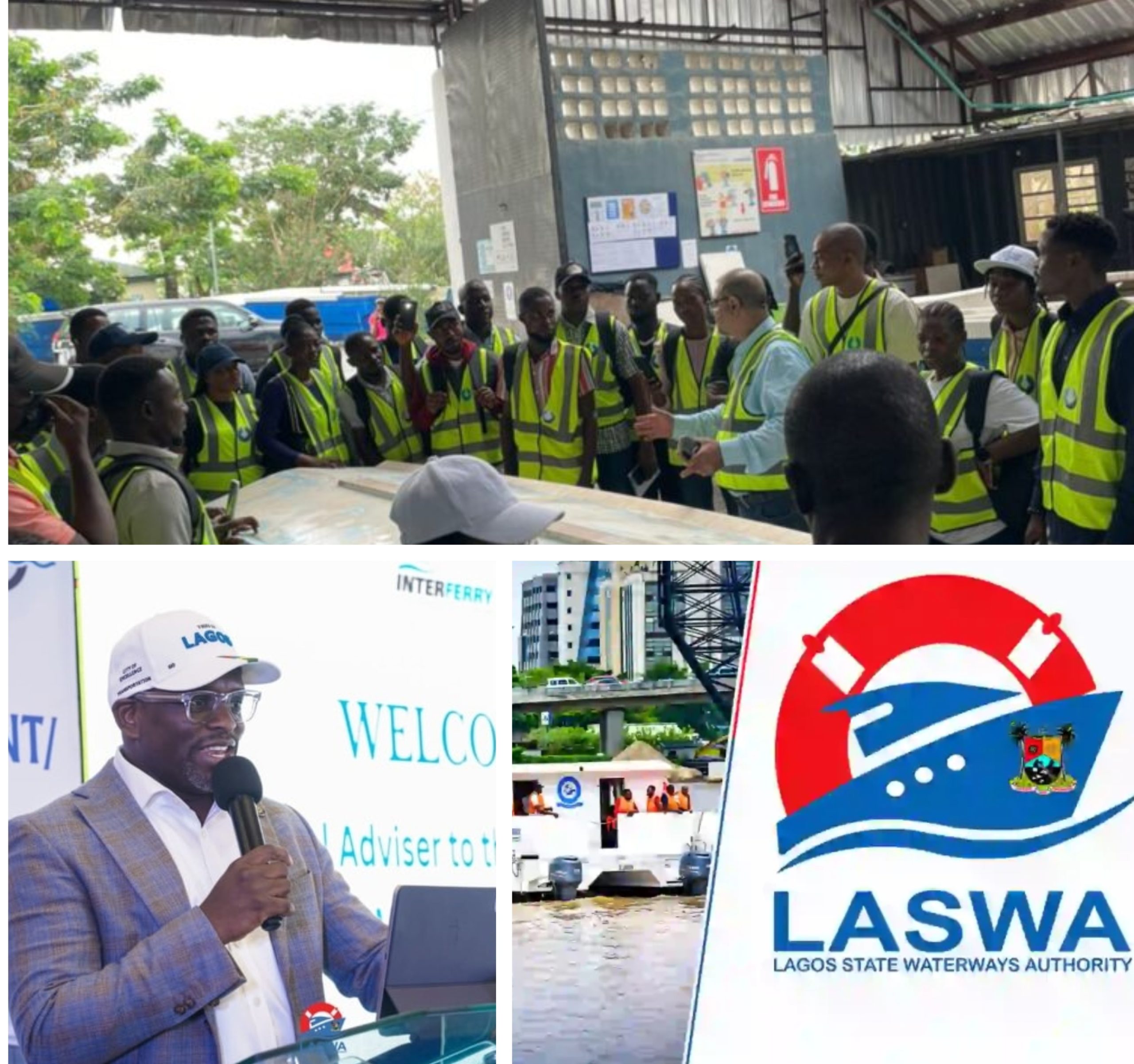
As Lagos continues to expand its water transport network to ease pressure on its congested roads, Ezurike Ugochukwu, x-rays the conversation around ferry safety that has become more critical than ever.
While investments in boats, terminals and waterways infrastructure are essential, experts agree that the long-term success of water transportation depends largely on the competence of the people who operate, maintain and regulate the system.
This reality is at the heart of the Ferry Safety Development Programme (FSDP), an initiative being implemented by the Lagos State Waterways Authority (LASWA) in partnership with Interferry, a global association representing ferry operators and suppliers. The programme is designed to strengthen technical capacity, promote international safety standards and build a culture of professionalism within Nigeria’s growing ferry industry.
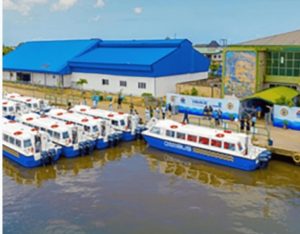
Caverton Marine Shipyard located at the Before Ferry Terminal, Ajah
The initiative recently reached a major milestone with the commencement of its first hands-on practical training session at the Caverton Marine Ferry Building Facility in Badore, Ajah, where 50 participants underwent intensive practical instruction on vessel design, ferry construction, maintenance procedures and operational safety standards.

Addressing the Human Factor in Maritime Safety
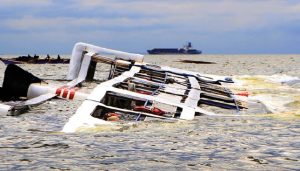
2024 Ikoyi Lagos boat accident
Across the world, maritime accident investigations often point to human error, inadequate training, poor maintenance culture and weak safety compliance as contributing factors to water transport incidents.
In Nigeria, where waterways are increasingly becoming an alternative means of transportation, ensuring that ferry operators and maritime professionals possess the right skills and knowledge has become a pressing priority.
The Ferry Safety Development Programme seeks to bridge that gap by providing participants with both theoretical and practical knowledge needed to manage ferry operations safely and efficiently.
By exposing trainees to real-life operational environments, the programme helps them understand the technical processes behind vessel construction, safety management and maintenance practices that are essential for preventing accidents and protecting lives.
Why Practical Training Matters
One of the unique aspects of the programme is its emphasis on hands-on learning.
While classroom instruction and virtual learning provide foundational knowledge, practical exposure allows participants to see how safety principles are applied in actual ferry operations.
At the Badore training session, participants gained firsthand experience in ferry-building processes, vessel maintenance procedures and safety management systems under the guidance of experienced industry professionals.
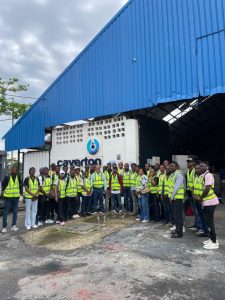
The session was coordinated by Engr. Ukeme Sunday, while Caverton Marine’s General Manager, Mohammed Ibrahim, a maritime expert with more than four decades of experience in ferry design and construction, led technical workshops on vessel standards, maintenance requirements and operational best practices.
The practical approach ensures that participants are not only familiar with safety regulations but are also capable of implementing them effectively in real-world situations.
Supporting Lagos’ Water Transport Vision
The significance of the programme extends beyond training.
Lagos State has made water transportation a key component of its urban mobility strategy. With millions of residents moving daily across the state, the waterways offer an alternative means of transport capable of reducing traffic congestion and improving connectivity.
However, public confidence in water transport depends largely on safety.
Every successful ferry operation reinforces trust in the system, while every accident risks undermining years of investment and public education.
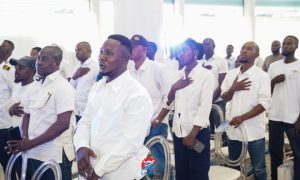
Some participants at a LASWA training programme
This is why LASWA’s focus on capacity building is viewed as a strategic investment in the future of the sector.
By equipping maritime professionals with internationally recognised knowledge and practical skills, the authority is helping to create the workforce required to support a safe, reliable and sustainable ferry industry.
Advancing the Blue Economy Agenda
The programme also aligns with Lagos State’s broader blue economy strategy.
The blue economy encompasses economic activities linked to oceans, seas and inland waterways, including transportation, tourism, fisheries and marine services.
For Lagos to fully harness these opportunities, it must develop not only infrastructure but also human capacity.
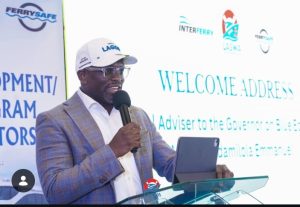
Emmanuel
Speaking on the programme, the Special Adviser to the Governor on Blue Economy, Mr. Oluwadamilola Emmanuel, emphasised that the practical component was deliberately designed to complement virtual mentoring and self-paced learning modules already being offered under the programme.
Emmanuel who is also the General Manager of LASWA said exposing participants to real operational environments is critical to building the technical competence needed to promote safer, more efficient and sustainable ferry operations.
International Standards, Local Impacts
Another notable feature of the Ferry Safety Development Programme is its international dimension.
Through the support of Interferry, participants are exposed to global best practices and safety standards that have shaped some of the world’s most successful ferry systems.
This partnership enables LASWA to adapt international safety benchmarks to local realities while strengthening the overall capacity of Nigeria’s maritime workforce.
It also reflects a growing recognition that safety must be proactive rather than reactive, driven by continuous training, professional development and adherence to best practices.
Investing in Safety, Protecting Lives
Ultimately, the importance of the Ferry Safety Development Programme lies in its potential to save lives.
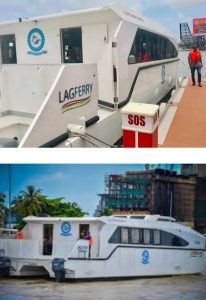
Safe waterways do not happen by accident. They are the result of deliberate investments in training, regulation, infrastructure and operational excellence.
As Lagos continues to expand its water transport network, programmes such as the FSDP are helping to ensure that safety remains at the centre of that growth.
By building the knowledge and skills of those who design, operate and maintain ferry services, LASWA is laying the foundation for a safer maritime environment, one where commuters can travel with greater confidence and where water transportation can play a larger role in supporting economic growth, mobility and the development of Lagos’ blue economy.
In the end, the future of water transportation in Lagos will not be measured solely by the number of ferries on the waterways, but by how safely they operate. The Ferry Safety Development Programme is an important step towards achieving that goal.











-

 Crime2 years ago
Imo police confirm arrest of journalist, ‘Nonsonkwa’ over alleged Cyberstalking, Incitement
-
 Education7 months ago
Anambra leads South-east in education allocation ratio, as Imo ranks lowest
-
 News7 years ago
Orthodox Anglican Church, not Same as Church of Nigeria- Bishop
-
 Business6 years ago
Pay-As-You-Go not applicable to pay TV – FCCPC
-

 Agriculture4 years ago
Environment Day: Foundation partners, FCMB, Chevron, harps on collective efforts on earth protection
-

 Crime3 years ago
Pastor allegedly kills female member, prevents 20 year old daughter from attending burial