
Crime
Banned sachet alcohol: NAFDAC orders immediate surrender, warns of prosecution

By Ezurike Ugochukwu
The National Agency for Food and Drug Administration and Control (NAFDAC) has commenced a nationwide enforcement exercise to remove banned alcoholic beverages packaged in sachets and polyethylene terephthalate (PET) bottles smaller than 200 millilitres from the Nigerian market.
The measure marks a major step in the implementation of the federal government’s policy aimed at curbing substance abuse and protecting public health.
The operation, which is being conducted simultaneously across the country’s six geopolitical zones, targets manufacturers, importers, distributors, wholesalers, retailers, hawkers and transporters still dealing in the prohibited products despite the expiration of the grace period granted for compliance.

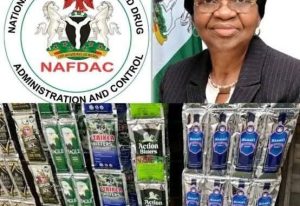 NAFDAC said the exercise follows the closure of manufacturing facilities found to have continued producing the banned alcoholic beverages in violation of existing regulations.
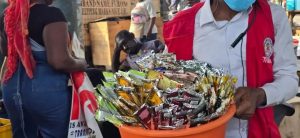
Enforcement teams have since been deployed to markets, supermarkets, motor parks, bars, drinking joints, warehouses and other distribution outlets to identify, seize and destroy the prohibited products.
The agency directed all individuals and businesses still in possession of sachet alcohol or alcoholic drinks packaged in PET bottles below the approved 200ml threshold to surrender them voluntarily, warning that anyone caught producing, importing, distributing, transporting, stocking or selling the products risks seizure of the goods, regulatory sanctions and possible prosecution.
According to NAFDAC, the nationwide mop-up is part of a broader enforcement and public enlightenment campaign designed to eliminate harmful alcohol products from circulation, reduce underage drinking, discourage excessive alcohol consumption and address the growing challenge of substance abuse among children and young adults.
The agency stressed that the enforcement targets only products prohibited under the federal government’s policy and does not affect manufacturers producing alcoholic beverages in approved packaging sizes.
NAFDAC also appealed to Nigerians to support the campaign by reporting individuals and businesses involved in the illegal production, storage or sale of the banned products.
It urged consumers to avoid purchasing or consuming sachet alcohol and alcoholic beverages packaged in PET bottles below 200ml, describing them as illegal products that undermine public health and safety.
The nationwide operation is the latest phase of a policy introduced following growing concerns by health experts, the Federal Ministry of Health and regulatory agencies over the increasing accessibility of cheap alcoholic drinks to minors and vulnerable groups.
 The ban on the production and distribution of sachet alcohol was first announced in 2018 after consultations involving NAFDAC, the Federal Ministry of Health, the Distillers and Blenders Association of Nigeria (DIBAN) and other industry stakeholders. Manufacturers were subsequently granted several extensions to enable them phase out the affected products and adjust their production lines before full enforcement commenced.
Public health experts have consistently linked the widespread availability of inexpensive alcoholic drinks in sachets and small plastic bottles to rising cases of alcohol abuse, addiction, risky behaviour and preventable health complications, particularly among young people.
 NAFDAC maintained that the enforcement exercise forms part of its statutory responsibility to safeguard public health by ensuring that only safe, regulated and compliant products remain in circulation, while reaffirming its commitment to working with stakeholders to promote responsible alcohol consumption and strengthen regulatory compliance across the industry.












Nigeria Customs, Benin, Cameroon advance one-stop border initiative after Zimbabwe Mission

Kogi mourns Rear Admiral Hamzat Sani, celebrates legacy of patriotism, statesmanship

‘Victory Is within reach,’ Oyebamiji declares as APC launches Osun Campaign Council
-

 Crime2 years ago
Imo police confirm arrest of journalist, ‘Nonsonkwa’ over alleged Cyberstalking, Incitement
-

 Education5 months ago
Anambra leads South-east in education allocation ratio, as Imo ranks lowest
-
 News6 years ago
Orthodox Anglican Church, not Same as Church of Nigeria- Bishop
-

 Business6 years ago
Pay-As-You-Go not applicable to pay TV – FCCPC
-

 Agriculture4 years ago
Environment Day: Foundation partners, FCMB, Chevron, harps on collective efforts on earth protection
-

 Crime3 years ago
Pastor allegedly kills female member, prevents 20 year old daughter from attending burial