
Business
NPA projects surge in port activities as 43 vessels near Lagos
By Ezurike Ugochukwu
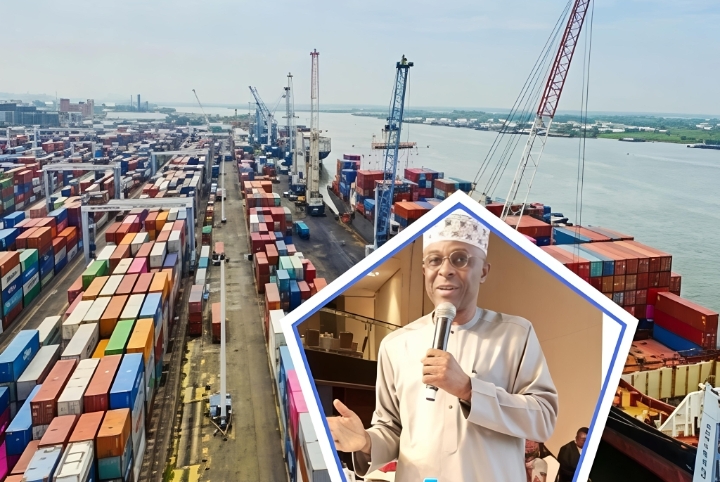
Nigeria’s maritime sector is witnessing another rise in cargo activities as no fewer than 43 vessels carrying petroleum products, food items and other commodities are expected to berth at the Lagos port corridor between May 26 and June 6.
The development, according to the Nigerian Ports Authority (NPA), reflects increasing commercial activities across the nation’s seaports and the growing importance of Lagos ports in Nigeria’s supply chain and import network.
The vessels are scheduled to arrive at major terminals including Apapa Port, Tin Can Island Port and the Lekki Deep Sea Port.

Data contained in the NPA’s Daily Shipping Position showed that eight of the incoming vessels are laden with containerised cargoes containing assorted goods, while the remaining vessels are expected to discharge petroleum products, aviation fuel, diesel, fresh fish, bulk wheat and other general cargoes.
The expected arrivals come amid ongoing efforts by port authorities and terminal operators to improve cargo throughput, reduce vessel waiting time and enhance operational efficiency at the ports.
The NPA also disclosed that 11 vessels had already arrived within the Lagos harbour and were awaiting berthing approvals at various terminals.
 The vessels are carrying consignments including containers, gasoline, crude oil, condensate, diesel, bulk fertiliser, petrol and bulk salt.
In addition, at least 21 vessels are currently discharging cargoes across different terminals within the Lagos port corridor.
The cargoes being discharged include wheat, sugar, gypsum, millet, urea, petrol, trucks and containerised goods.
Industry stakeholders say the steady inflow of vessels indicates improving confidence in Nigeria’s maritime logistics system, especially with expanding operations at the Lekki Deep Sea Port.
They also noted that the increased vessel traffic highlights the strategic role of the Lagos ports in handling Nigeria’s imported fuel supplies, food commodities and industrial raw materials.
The Lagos port corridor, comprising Apapa, Tin Can Island and Lekki ports, remains the country’s busiest maritime hub, accounting for a significant share of Nigeria’s international trade activities and cargo throughput.
Stakeholders further expressed optimism that ongoing port modernisation initiatives and infrastructure improvements would continue to boost operational efficiency, reduce congestion and attract more shipping traffic into Nigerian ports.















-

 Crime2 years ago
Imo police confirm arrest of journalist, ‘Nonsonkwa’ over alleged Cyberstalking, Incitement
-

 Education7 months ago
Anambra leads South-east in education allocation ratio, as Imo ranks lowest
-
 News6 years ago
Orthodox Anglican Church, not Same as Church of Nigeria- Bishop
-

 Business6 years ago
Pay-As-You-Go not applicable to pay TV – FCCPC
-

 Agriculture4 years ago
Environment Day: Foundation partners, FCMB, Chevron, harps on collective efforts on earth protection
-

 Crime3 years ago
Pastor allegedly kills female member, prevents 20 year old daughter from attending burial